November 19, 2026
Valve Guide Brushes: A Machinist’s Guide to Cleaning Cylinder Heads

November 12, 2026
Copper Fitting Brushes: How to Prep Joints for Soldering and Brazing
November 10, 2026
How to Choose the Right Brush for Cross-Hole Deburring
December 16, 2025
What Benefits Do Custom Pot Brushes Offer Industrial Applications?
November 11, 2025
Safety Precautions When Working with Wire End Brushes
November 10, 2025
How Deburring Industrial Brushes Improve?

November 8, 2025
How to Clean Narrow-Neck Bottles Effectively Using a Bottle Brush

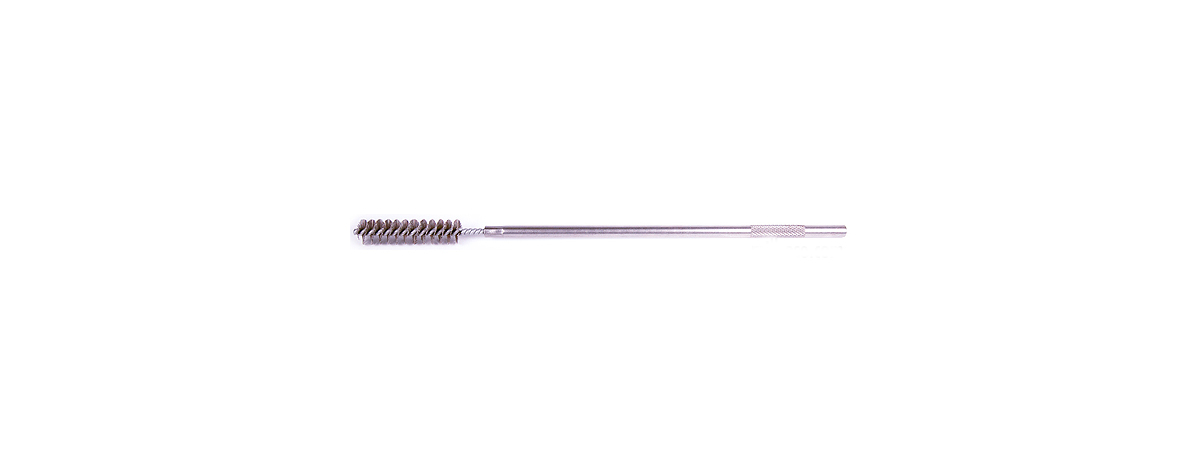
Valve Guide Brushes: A Machinist’s Guide to Cleaning Cylinder Heads
When a cylinder head comes in for a rebuild, the valve guides are usually coated with carbon and baked-on oil varnish. If that layer stays, you can’t measure guide wear accurately, new valve stem seals won’t sit right, and fresh valves can stick or wear early.
A valve guide brush is a simple tool that solves this. Here is how to choose and use one.
Why clean the guides at all?
There are three good reasons to clean every guide before you measure or machine anything:
- Accurate measurement. Carbon deposits make a worn guide read tighter than it really is. You might reuse a guide that should have been replaced.
- Proper valve movement. Deposits left in the guide can make a new valve stem drag or stick.
- Clean machining. If you are reaming, knurling or honing guides, any carbon left behind dulls tools and spoils the finish.
Choosing the right brush size
Valve guide brushes are sized by brush diameter. The brush should be a little larger than the guide’s bore so the bristles press against the wall.
- Common automotive valve stems are around 1/4″ to 3/8″ (about 6–9 mm). Choose a brush just over the guide’s inside diameter.
- If you work on a mix of engines, a set of several sizes saves time.
Our Valve Guide Brushes with cadmium-plated shank come in diameters from 1/4″ to 1″, and our Valve Guide Brushes with solid steel shank run from 1/4″ to 9/16″.
Nylon or steel?
The brush fill depends on how heavy the deposits are and what the guide is made of.
| Fill | Best for | Notes |
|---|---|---|
| Nylon | Routine cleaning, bronze and softer guides | Won’t scratch the guide bore; works well with solvent |
| Carbon steel wire | Heavy, hard carbon on cast iron guides | Faster, but use light pressure to avoid marking the bore |
For most rebuilds, start with nylon and solvent. Move to a steel brush only if the carbon won’t come off.
Shank length
Valve guides are long and sit deep in the head, so shank length matters.
- A shorter shank (about 7–8″) is easier to control by hand or in a drill.
- A longer shank (about 10″) reaches guides in deep heads without the drill chuck hitting the head.
Step by step: cleaning valve guides
- Remove the valves and seals, and keep the valves in order if you plan to reuse them.
- Soak or spray the guides with a carbon cleaner or solvent and let it work for a few minutes.
- Run the brush through each guide from the combustion-chamber side and the spring side. By hand, push and twist. In a drill, use a slow speed.
- Flush the guides with solvent, then blow them out with compressed air.
- Check with a light. The bore should look clean and even. Repeat if you still see dark patches.
- Measure guide wear with a small-hole gauge or bore gauge only after cleaning.
Tips for a better result
- Keep drill speed low. A valve guide brush is long and thin. At high speed it can whip and bend.
- Never reverse the drill while the brush is in the guide. It can tangle the bristles.
- Replace brushes when the bristles flatten. A worn brush polishes the carbon instead of removing it.
- Wear eye protection, especially when using a wire brush under power.
Beyond valve guides
The same style of long, thin brush is useful for oil galleries, injector bores and other small passages in heads and blocks. For general cleaning of small holes, see our range of twisted wire tube brushes.
Signs a guide needs more than cleaning
Cleaning shows you the true condition of the guide. After brushing, look for:
- Oval wear: the guide is worn more in one direction, usually from side loading by the rocker arm. It needs replacing or machining.
- Scoring or pick-up marks: lines along the bore point to poor lubrication or a damaged valve stem.
- Looseness in the head: a guide that moves when pushed must be replaced or the head repaired.
Record your measurements for each guide so you can compare them with the engine’s service limits.
Frequently asked questions
How often should valve guides be cleaned?
Clean them every time the head is apart for a rebuild or valve job, before you measure or machine anything.
Can I clean valve guides without removing the valves?
No. The valves must come out so the brush can pass through the full length of the guide.
Will a wire brush damage bronze valve guides?
It can mark them if used with heavy pressure. For bronze guides, start with a nylon brush and solvent, and use steel only if needed, with light pressure.
What solvent works best?
A carbon or carburettor cleaner works well. Spray it into the guide, let it soak for a few minutes, then brush and flush. Always follow the solvent maker’s safety instructions and ventilate the area.
Order valve guide brushes
Hight Brush supplies valve guide brushes singly or in packs of 12 for machine shops and engine rebuilders. See the full range of AC, Plumbing and Automotive Fitting and Valve Brushes, or call 210-860-7896 for help choosing sizes.
View Our E-Catalogue