November 12, 2026
Copper Fitting Brushes: How to Prep Joints for Soldering and Brazing

November 10, 2026
How to Choose the Right Brush for Cross-Hole Deburring
December 16, 2025
What Benefits Do Custom Pot Brushes Offer Industrial Applications?
November 11, 2025
Safety Precautions When Working with Wire End Brushes
November 10, 2025
How Deburring Industrial Brushes Improve?

November 8, 2025
How to Clean Narrow-Neck Bottles Effectively Using a Bottle Brush


September 25, 2025
How Wire Wheel Brushes Outperform High-Tech Finishing in Certain Jobs?
September 23, 2025
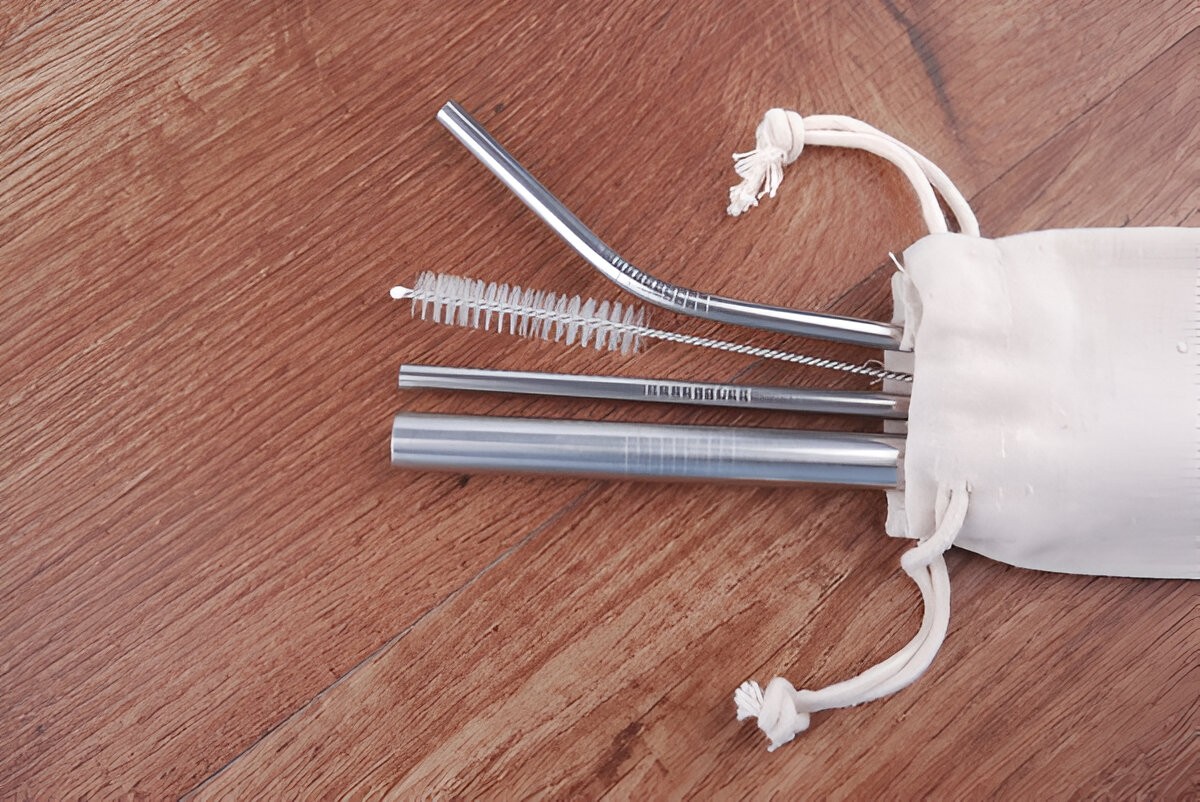
Why Tube Brushes Outperform Cotton Swabs in Tight Spaces?
Copper Fitting Brushes: How to Prep Joints for Soldering and Brazing
Most leaking solder joints fail for the same reason: the copper wasn’t clean. Solder and brazing alloy only flow into a joint and bond to bare, bright metal. Oxide, grease or old flux left on the pipe or inside the fitting stops the filler from wetting the surface, and the joint ends up with gaps.
For plumbers, HVAC technicians and refrigeration installers, a good fitting brush is one of the cheapest ways to avoid callbacks. This guide covers which brush to use and how to use it.
What “clean” means for a soldered joint
Before you apply flux, both surfaces that will touch the filler metal must be clean:
- The outside of the pipe end, for the full depth it goes into the fitting.
- The inside of the fitting socket, all the way to the stop.
Clean copper looks bright and evenly coloured. If you can still see dark oxide, green corrosion or shiny spots of old flux, keep brushing.
Inside the fitting: ID fitting brushes
A fitting brush for the inside of a socket is a short, round brush sized to the fitting’s inside diameter.
- Hand fitting brushes have a handle and are ideal for the occasional joint or tight spaces. See our Economical Fitting Brush.
- Power fitting brushes have a shank that goes in a cordless drill. They clean a socket in a couple of seconds and give the same result every time. See our Power Fitting Tube Brush, available from 3/8″ to 1-1/8″.
- Stainless steel fitting brushes last longer and won’t rust in a damp van or job box. See our Single Spiral Fitting Tube Brush – Stainless Steel.
Match the brush to the nominal pipe size of the fitting. A brush that is too small won’t reach the walls; one that is too large is hard to insert and wears quickly.
Outside the pipe: OD brushes
The outside of the pipe end needs the same care. Sand cloth works, but it is slow and uneven, and grit can end up inside the pipe.
An OD brush is a ring of bristles that the pipe slides into. Our OD Copper Pipe Power Fitting Tube Brush fits a drill and covers pipe from 1/8″ to 1″ outside diameter.
One tool for both: 4-in-1 brushes
If you want fewer tools in the bag, a multi-application brush cleans the inside of the fitting and the outside of the pipe at the same time. Our Multi-Application 4-in-1 Brush comes in plumbing and refrigeration sizes.
Step by step: prepping a joint
- Cut the pipe square with a tube cutter, not a hacksaw.
- Deburr the cut end, inside and out. A burr inside the pipe causes turbulence and erosion.
- Brush the outside of the pipe for the full socket depth until it is bright.
- Brush the inside of the fitting until the socket is bright all the way to the stop.
- Don’t touch the cleaned surfaces with your fingers. Skin oil is enough to stop solder wetting.
- Apply flux thinly and evenly, assemble, and solder or braze straight away. Cleaned copper starts to oxidise again within hours.
Common mistakes that cause leaks
- Skipping the fitting. Many installers clean the pipe and forget the socket.
- Using a worn brush. Once the bristles are flattened, the brush polishes the oxide instead of removing it.
- Over-cleaning. Running a drill brush too long can remove copper and loosen the fit. A few seconds is enough.
- Cleaning too early. Prepping fittings in the morning for joints made in the afternoon lets oxide come back.
Valve and automotive work
The same idea applies to other fittings and passages. For cylinder head work, see our guide to valve guide brushes, coming later this month. For brake and fuel line fittings, small twisted wire brushes clean the inside of the fitting before a new flare or compression joint.
Frequently asked questions
Can I use sandpaper instead of a fitting brush?
You can use emery cloth on the outside of the pipe, but it is slow and hard to use inside a fitting. Grit can also fall into the pipe. A sized fitting brush is faster and more consistent.
Should I use a steel or nylon fitting brush?
Steel and stainless brushes clean oxide fastest and suit most copper work. Nylon is gentler and suits light cleaning or softer materials. Stainless lasts longest in damp conditions.
How long does a fitting brush last?
It depends on use, but replace it when the bristles flatten or stop leaving the copper bright. A worn brush only polishes the oxide.
Do I still need flux after brushing?
Yes. Brushing removes oxide and dirt; flux stops new oxide forming while the joint heats. You need both for a sound joint.
Find the right fitting brush
Hight Brush supplies fitting brushes in nylon, steel and stainless steel, sold singly or in bulk packs of 12 and 48 for contractors and distributors.
See the full range of AC, Plumbing and Automotive Fitting and Valve Brushes, or call us on 210-860-7896 for bulk pricing.
View Our E-Catalogue