November 24, 2026
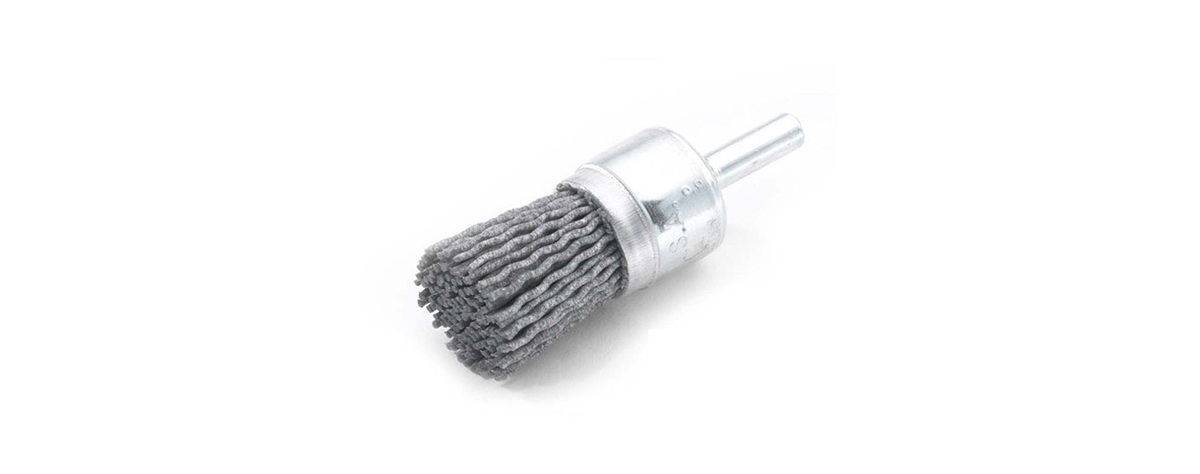
Abrasive Nylon vs Wire Brushes for Deburring: When to Use Each
November 19, 2026
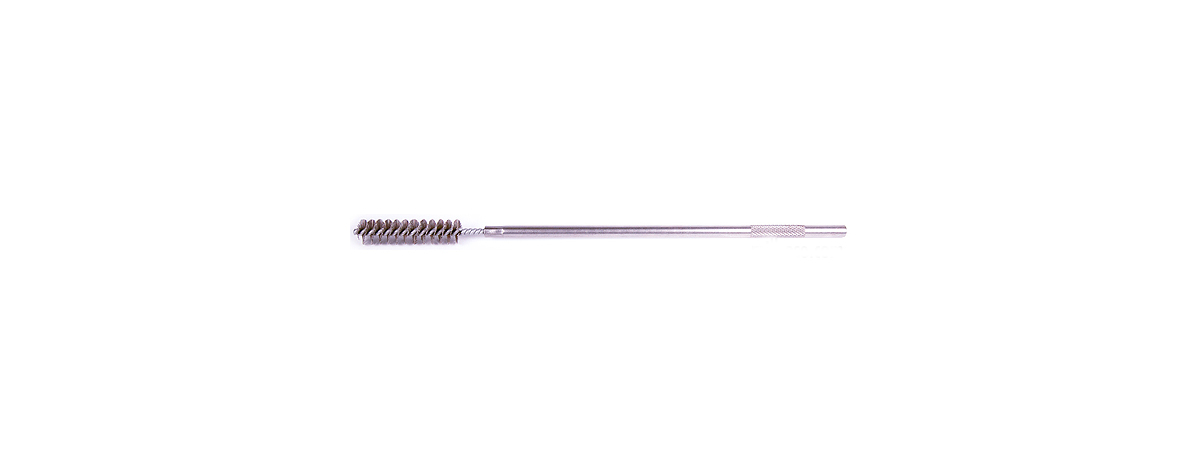
Valve Guide Brushes: A Machinist’s Guide to Cleaning Cylinder Heads

November 12, 2026
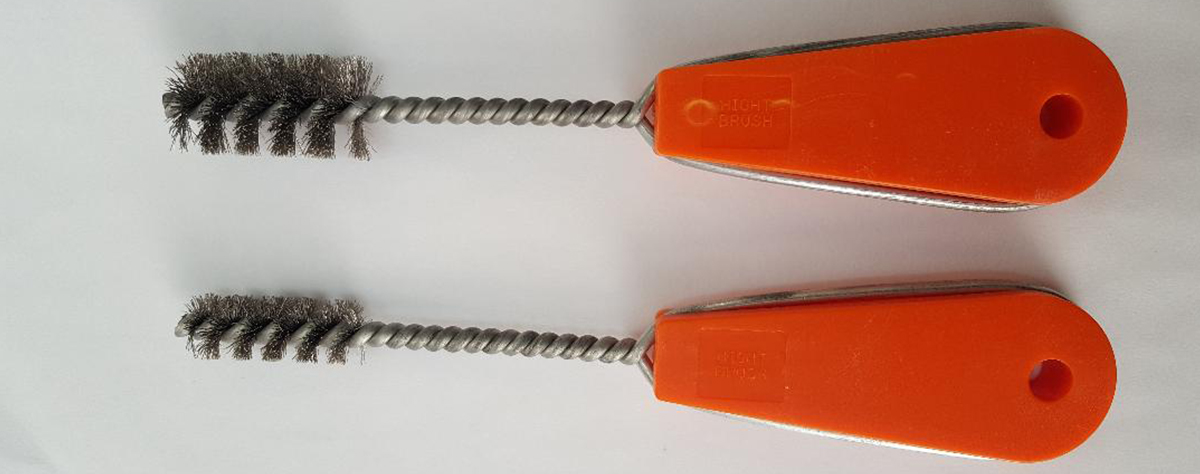
Copper Fitting Brushes: How to Prep Joints for Soldering and Brazing
November 10, 2026
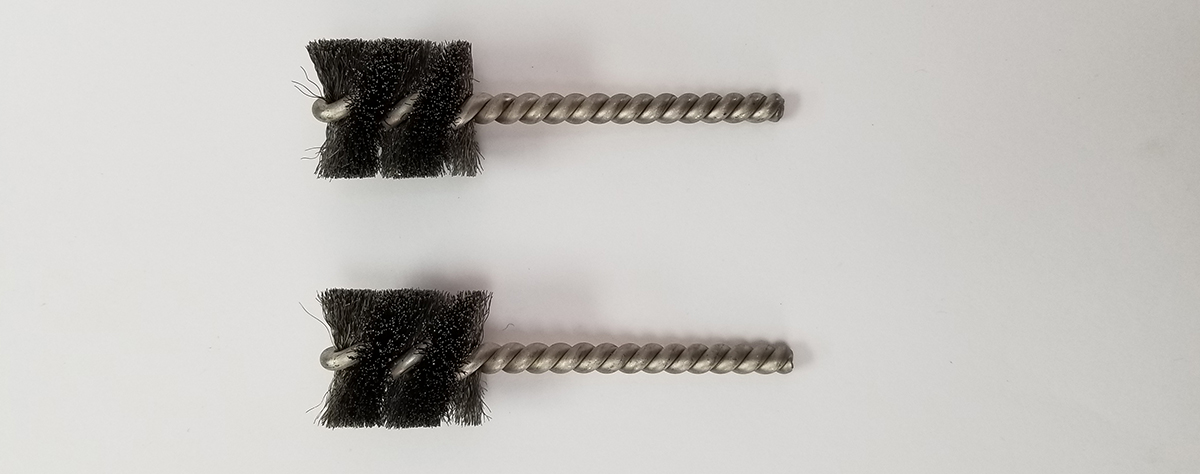
How to Choose the Right Brush for Cross-Hole Deburring
December 16, 2025
What Benefits Do Custom Pot Brushes Offer Industrial Applications?
November 11, 2025
Safety Precautions When Working with Wire End Brushes
November 10, 2025
How Deburring Industrial Brushes Improve?
Choosing Laboratory Glassware Brushes: Test Tubes, Flasks, Burettes and Carboys

Dirty glassware ruins results. A film of residue in a flask can contaminate the next sample, and a scratch inside a test tube can trap material that no rinse will remove. The right brush cleans thoroughly without damaging the glass.
This guide matches common lab glassware to the brush that suits it.
What makes a good lab brush
Three things matter most:
- Size: the brush should be slightly wider than the vessel so the bristles touch the walls.
- Tip: the end of a brush hits the bottom of the vessel. A protected tip stops the wire core from scratching or cracking the glass.
- Bristle material: natural bristle, nylon or foam, depending on how delicate the glass is and what chemicals you use.
Test tubes and small bottles
Test tubes are narrow and have round bottoms, which are easily scratched by a bare wire tip.
- Choose a brush with a rosebud or tufted tip, a small tuft of fibre at the end that cushions the bottom of the tube.
- Pick a brush diameter just larger than the tube’s inside diameter.
See our Test Tube and Bottle Brushes with Rosebud Tips.
Flasks and beakers
Flasks have a narrow neck and a wide body, so the brush must pass the neck and still reach the walls.
- A fan-shaped or flared brush spreads out once inside the flask.
- For beakers, jars and graduated cylinders, a cylinder brush with a long handle cleans the full height in one pass.
See our Beaker, Jar and Cylinder Brushes and Laboratory Glassware Brush.
Burettes, pipettes and long tubes
Burettes and long tubes need a long, thin brush that reaches the full length without bending.
- Use a brush long enough to pass completely through the tube.
- Foam-tipped brushes are gentle on precision glassware where any scratch matters.
See our Foam Tipped Laboratory Glassware Brush – Short and Long.
Carboys and large bottles
Carboys and water bottles have a narrow neck and wide shoulders that a straight brush can’t reach.
- A bent carboy brush has an angled head that reaches the shoulders and bottom.
See our Five Gallon Carboy Washing Brush.
Specialist vessels
Some glassware needs a brush made for it. Dairy labs using Babcock bottles for milk-fat testing need a long, thin brush that fits the narrow graduated neck. See our Babcock Milk Test Bottle Brushes.
Tanks, kettles and large vessels in breweries or pilot plants need long-reach brushes. See our Kettle and Tank Brushes.
Quick reference
| Vessel | Brush type | Key feature |
|---|---|---|
| Test tube | Rosebud-tip tube brush | Cushioned tip protects the bottom |
| Flask | Fan or flared brush | Reaches the body through a narrow neck |
| Beaker, jar, cylinder | Cylinder brush | Long handle, full-height cleaning |
| Burette, pipette | Long, thin brush or foam-tipped | Full length, no scratching |
| Carboy | Bent carboy brush | Reaches the shoulders |
| Babcock bottle | Babcock brush | Fits the narrow graduated neck |
Cleaning tips
- Rinse first to remove loose material, then brush with detergent.
- Don’t force a brush into a vessel that is too narrow. It can crack the glass.
- Use separate brushes for different chemicals or applications to avoid cross-contamination.
- Replace worn brushes. Flattened bristles don’t clean, and an exposed wire tip can scratch.
- Rinse and dry brushes after use so they don’t harbour residue.
Plastic labware needs a gentler touch
Plasticware such as polypropylene bottles and polycarbonate cylinders scratches more easily than glass, and scratches trap residue. Use soft nylon or foam-tipped brushes, avoid any brush with an exposed wire tip, and skip abrasive cleaners. If plastic labware already shows heavy scratching inside, it may be time to replace it rather than keep cleaning it.
Frequently asked questions
How do I know which size brush to buy?
Measure the inside diameter of the vessel and choose a brush slightly wider. For mixed glassware, a set of sizes covers most needs.
Are nylon or natural bristle brushes better for labs?
Nylon resists most chemicals, dries quickly and lasts longer. Natural bristle is softer and holds detergent well. Many labs keep both.
How often should lab brushes be replaced?
Replace a brush when the bristles flatten, fall out or the tip is exposed. Brushes used with hazardous materials may need replacing more often under your lab’s own rules.
Can lab brushes go in a glassware washer?
Many nylon brushes can, but check the handle material first. Always rinse and dry brushes thoroughly between uses.
Equip your lab
Hight Brush supplies laboratory brushes in natural bristle, nylon and foam-tipped styles, with handles in wire, plastic and fiberglass for extra reach. Bulk packs are available for labs, schools and distributors.
See our full range of Laboratory Brushes, or call 210-860-7896 for bulk pricing.
View Our E-Catalogue