November 24, 2026
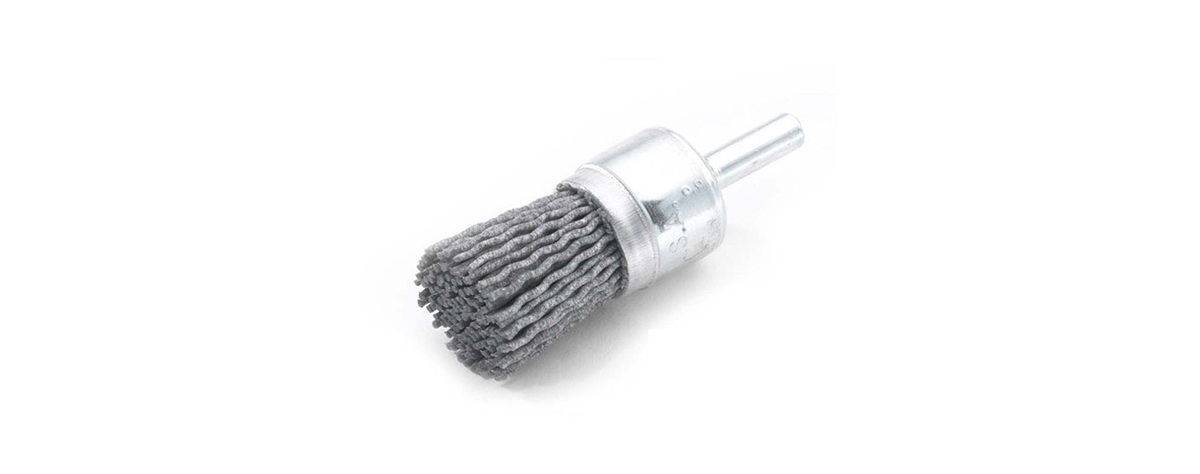
Abrasive Nylon vs Wire Brushes for Deburring: When to Use Each
November 19, 2026
Valve Guide Brushes: A Machinist’s Guide to Cleaning Cylinder Heads

November 12, 2026
Copper Fitting Brushes: How to Prep Joints for Soldering and Brazing
November 10, 2026
How to Choose the Right Brush for Cross-Hole Deburring
December 16, 2025
What Benefits Do Custom Pot Brushes Offer Industrial Applications?
November 11, 2025
Safety Precautions When Working with Wire End Brushes
November 10, 2025
How Deburring Industrial Brushes Improve?

November 8, 2025
How to Clean Narrow-Neck Bottles Effectively Using a Bottle Brush
Abrasive Nylon vs Wire Brushes for Deburring: When to Use Each
Every machine shop deburrs. The question is how. Two brush types do most of the work: wire brushes and abrasive nylon brushes. They look alike in a catalogue, but they remove material in different ways and leave very different finishes.
Picking the right one can cut deburring time, reduce scrap and stop arguments with inspection.
How each brush works
Wire brushes use the tips of hard metal filaments to strike and cut the burr. They are aggressive and fast. On heavy burrs, nothing else in a brush is quicker.
Abrasive nylon brushes use nylon filaments with abrasive grit (usually silicon carbide or aluminium oxide) mixed all the way through. As the filament wears, fresh grit is exposed. They work more like a flexible file or very fine sandpaper, removing small amounts of material evenly.
Side-by-side comparison
| Wire brush | Abrasive nylon brush | |
|---|---|---|
| Speed on heavy burrs | Fast | Slower |
| Finish left behind | Rougher, can leave scratch marks | Smooth, even edge radius |
| Change to part size | Can remove material from the surface | Very little; good for close tolerances |
| Risk of embedded particles | Possible (especially carbon steel on stainless) | No metal particles |
| Best on | Steel, cast iron, heavy burrs | Aluminium, stainless, precision parts, light burrs |
| Brush life | Long on heavy work | Long, and the grit renews as it wears |
When to choose a wire brush
Go with wire when:
- The burrs are large or thick, for example after heavy drilling or milling in steel.
- You need to remove scale, rust or weld spatter at the same time.
- The surface finish isn’t critical, or the part will be machined or finished again afterwards.
For holes and bores, see our Twisted Wire Burr Brushes.
When to choose abrasive nylon
Abrasive nylon is the better choice when:
- The part has tight tolerances and the bore or edge must not change size.
- You need a consistent edge break, often required by aerospace and medical drawings.
- The material is soft (aluminium, brass) or must not be contaminated (stainless, titanium).
- You want to finish and deburr in one step, for example honing a cylinder bore.
Useful options include:
- Abrasive Sanding Tube Brushes in double spiral and collet-ready styles for bores and tubes
- Micro Abrasive and Abrasive Tube Brushes for small holes
- Interior Honing Brushes for cylinders, tubes and valve bores
- Abrasive Nylon Solid End Brush for edges and faces
Choosing grit
Abrasive nylon comes in different grit sizes. Lower numbers are coarser.
- 80 grit (coarse): heavier burrs, faster removal
- 120–180 grit (medium to fine): general deburring and edge blending
- 320 grit and finer: finishing and polishing, very light material removal
Start with a medium grit and adjust. If burrs remain, go coarser; if the finish is too rough, go finer.
Using both in one process
Many shops use both types. A wire brush takes off the heavy burr quickly, then an abrasive nylon brush blends the edge and leaves a clean, consistent finish. On a CNC machine this can be two quick tool changes at the end of a program, with no manual deburring afterwards.
Tips for longer brush life
- Run at the recommended speed. Too fast melts nylon filaments; too slow wastes time.
- Use light pressure. Let the filament tips and grit do the work.
- Use coolant with abrasive nylon in production. It keeps the filaments from overheating.
- Dress new abrasive brushes by running them lightly on scrap for a few seconds. This exposes fresh grit.
A quick test on your own parts
If you’re not sure which type suits your parts, run a simple trial. Take five parts and deburr them with a wire brush, and five with abrasive nylon. Then check three things: how long each part took, whether any burrs remain, and whether the bore size and finish still pass inspection. The results usually make the choice obvious, and they give you numbers to show your quality team.
Frequently asked questions
Do abrasive nylon brushes wear out faster than wire brushes?
Not necessarily. Abrasive nylon wears gradually, but fresh grit is exposed as it wears, so it keeps cutting consistently through its life.
Can abrasive nylon remove heavy burrs?
It can, but slowly. For heavy burrs, use a wire brush first, then abrasive nylon to finish.
Which abrasive is better: silicon carbide or aluminium oxide?
Silicon carbide cuts faster and suits most metals. Aluminium oxide is tougher and lasts longer on harder steels. Both are widely used.
Can I run abrasive nylon brushes dry?
Yes, at moderate speeds. In production or at higher speeds, coolant prevents the nylon from overheating and extends brush life.
Not sure which to use?
Send us your part material, hole or edge size and the finish your drawing calls for. Hight Brush will recommend the right brush, or make a custom one.
Browse our Abrasive Tube Brushes or contact us on 210-860-7896.
View Our E-Catalogue